


Request a demo
Request a demo
In brief
Water retention is a build-up of fluid in the tissues, especially in the legs, ankles and stomach. It shows as swelling, a feeling of heaviness and softer cellulite. Moving, drinking enough, limiting salt and draining treatments such as Pressodynamie® help relieve it.
Water retention is a build-up of fluid in the tissues. When exchanges between the circulation and the tissues slow down, some of the water stays there instead of being eliminated. The body then looks more swollen, especially at the end of the day.
It most often affects the legs, ankles, thighs and stomach. It is not linked to body fat: you can have water retention whatever your figure.
These signs vary during the day, with the weather and with activity. That is what distinguishes water retention from an increase in body fat, which is more stable.

Several factors, often combined, contribute to water retention:
Without movement, the calf muscles are less effective as a pump and fluids stagnate in the lower body.
Heat dilates the vessels and encourages water to pass into the tissues. This is why ankles swell more in summer.
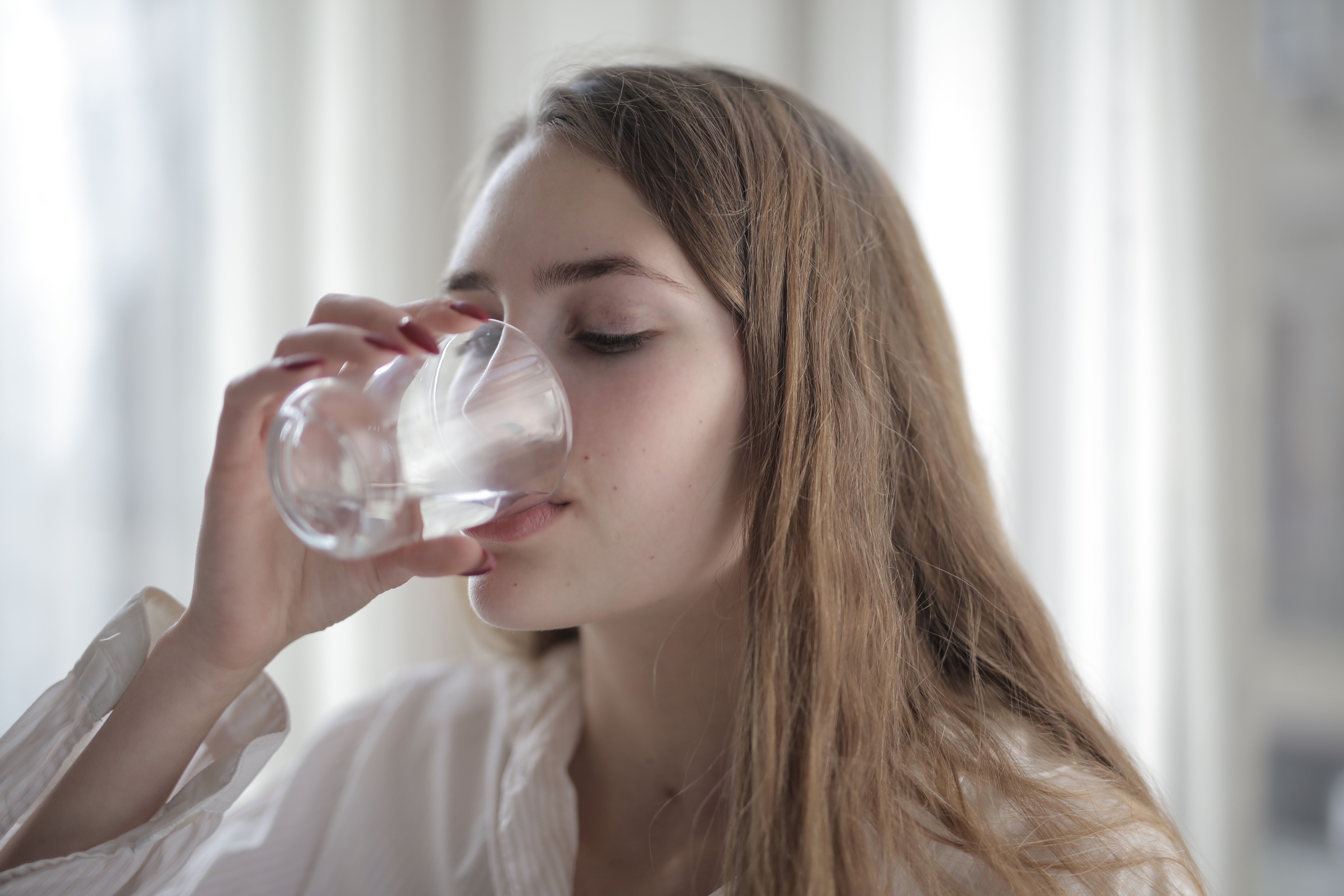
Too much salt retains water in the body. On the other hand, drinking enough helps the body eliminate better.
The menstrual cycle, pregnancy or menopause can make water retention worse at certain times.
Walking, cycling or swimming activate venous return and help limit fluid stagnation.
“Water retention can be seen and felt: swelling, heavy legs, marks at the end of the day. Regular drainage, combined with a few good habits, really changes clients' comfort.”
STARVAC partner professional

Key takeaways
Professional draining treatments complement good everyday habits. Their goal: to help fluids circulate and bring back a feeling of lightness.
PSX Active Wave® Pressodynamie® applies dynamic, rhythmic and enveloping pressure, with up to 12 times more stimulations than conventional pressotherapy. The feeling of lighter legs is often felt from the very first session.
For water retention associated with watery cellulite, Pressodynamie® can be combined with Stretching Cellulaire®, which mobilises the tissues. A STARVAC DIAG® body assessment distinguishes water retention, dehydration and body fat so you can choose the right protocol.
Water retention is common and usually harmless, but it affects comfort and the figure. By combining movement, hydration, a lower-salt diet and regular draining treatments, it is possible to regain lighter legs and a more defined figure.
Water retention varies during the day: swelling in the evening, sock marks, a figure that changes with heat or the cycle. Body fat, on the other hand, stays stable. A body assessment such as the STARVAC DIAG® helps tell them apart.
Yes. A well-hydrated body eliminates better. Cutting back on water to “de-bloat” is a false good idea.
Draining treatments, in particular Pressodynamie®, are the most suitable. They are part of a programme of several sessions, followed by maintenance.
If swelling appears suddenly, affects only one leg or comes with pain, redness or difficulty breathing, see a doctor without delay.
Natural, non-invasive professional solutions for body and face, made in France.
Next-generation Stretching Cellulaire®, powered by HyperPulse®, for body and face.
Pressodynamie®: up to 12 times more stimulations than conventional pressotherapy.
The body assessment that measures hydration and figure to personalise body treatments.

Choose your country


